
Wet Drywall: When We Can Save It vs. When You Need a 2-Foot Flood Cut
Gypsum drywall is the primary interior wall lining in modern construction. Because drywall is highly porous (composed of a compressed gypsum chalk core wrapped in organic cellulose paper), it wicks moisture rapidly via capillary action. As restoration contractors, the number one question we receive from homeowners is: "Can you save my walls with drying fans, or do you have to cut them open?" Here is the complete technical analysis of gypsum chemistry, structural integrity thresholds, and why certified contractors utilize the industry-standard 2-foot flood cut.
📋 Table of Contents & Technical Navigation
- Gypsum Chemistry and Capillary Wicking Physics
- IICRC S500 Standards: When Drywall CAN Be Dried in Place
- Non-Negotiable Criteria for Mandatory Drywall Removal
- The Florida '2-Foot Flood Cut' Standard Explained
- Wall Cavity Injection Drying Systems (Drying Behind Baseboards)
- Turnkey Sheetrock Patching, Taping, Texturing & Paint Matching
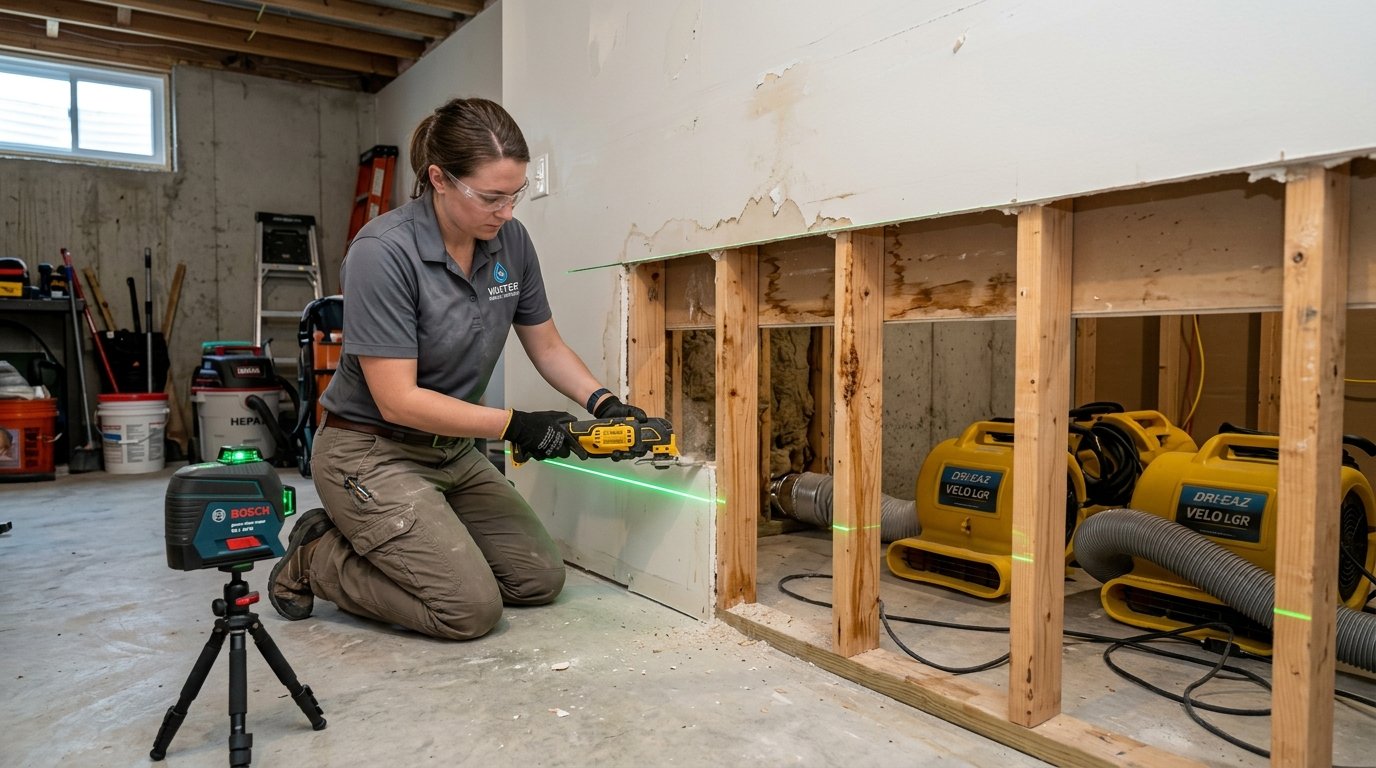
1. Gypsum Chemistry and Capillary Wicking Physics
Modern sheetrock is composed of calcium sulfate dihydrate (CaSO4·2H2O) pressed between recycled cellulose paper facings. When standing water touches the base of an interior wall, two destructive physical mechanisms take place immediately:
- Capillary Action Wicking: The microscopic cellulose fibers in drywall paper act as high-velocity conduits. Through capillary wicking, liquid water climbs vertically inside the wall cavity, frequently rising 12 to 24 inches above standing floodwater levels within just 4 to 6 hours.
- Crystalline Matrix Dissolution: When gypsum remains saturated, the dihydrate crystalline bonds dissolve. The core softens into fragile slurry chalk, losing all structural shear strength and causing sheetrock to bow, sag, and pull through screw heads.
- Cavity Micro-Climates: Trapped moisture between two sheets of painted drywall creates 90%+ relative humidity inside the dark stud bay, providing the ideal habitat for mold spores to colonize the rear paper face.
💡 Technician Field Insight: The Calibrated Durometer Hardness Test
Technicians evaluate gypsum core density by applying 20 lbs of localized pressure. If the drywall surface yields more than 1/8 inch or feels spongy beneath the paper, the structural crystalline bond has permanently broken down and cannot be dried in place.
2. IICRC S500 Standards: When Drywall CAN Be Dried in Place
Under ANSI/IICRC S500 restoration standards, drywall can be safely saved and dried in place if ALL of the following criteria are met:
- Category 1 Clean Water Intrusion Only: The water originated from a sanitary domestic supply line or sink overflow.
- Under 24 Hours Exposure Duration: Emergency extraction began before microbial fungal spores initiated germination.
- Zero Structural Deformation: The drywall remains completely firm with no screw-head pull-through, bubbling, or seam tape separation.
- Direct Cavity Ventilation: Baseboards are removed, and 1-inch access holes are drilled to inject high-velocity dehumidified air directly into stud bays.
3. Non-Negotiable Criteria for Mandatory Drywall Removal
Drywall must be surgically cut out and discarded under these non-negotiable safety conditions:
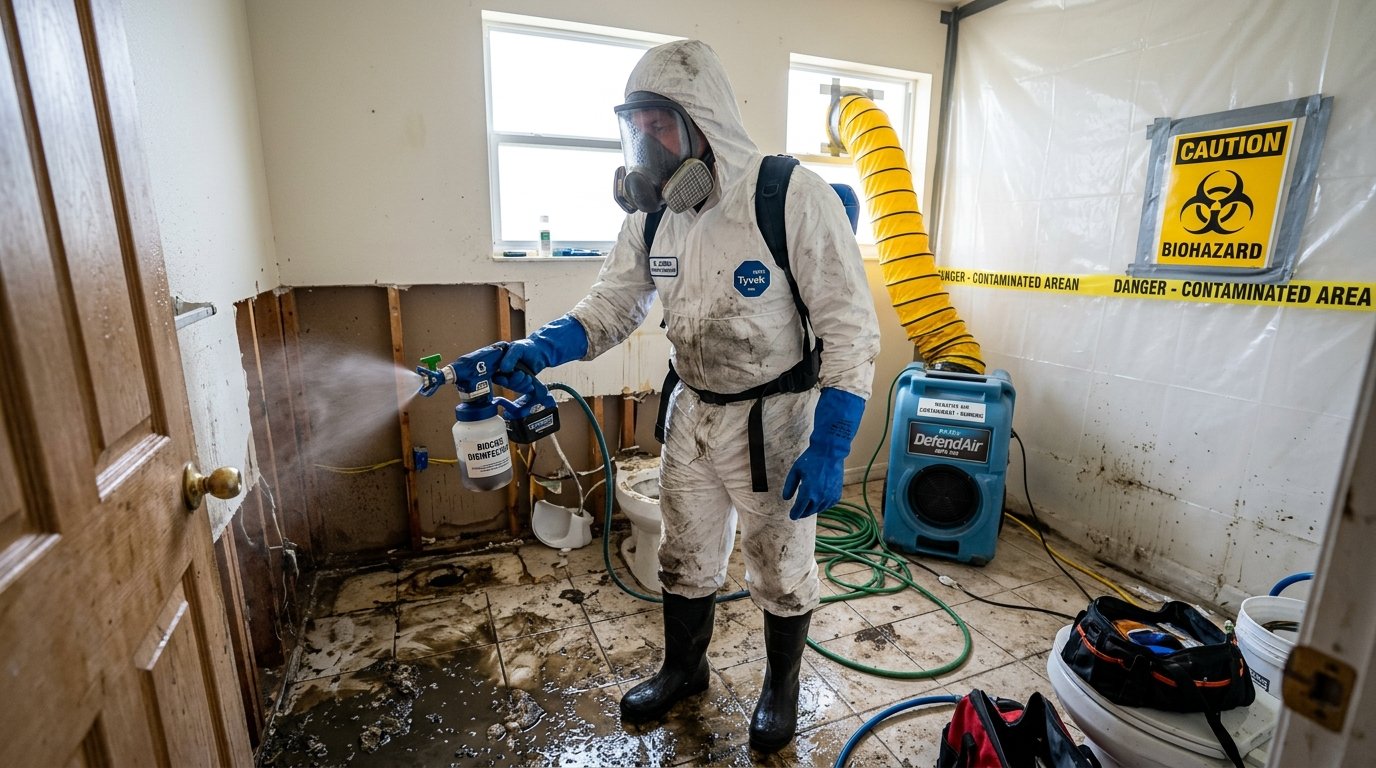
- Category 2 Greywater or Category 3 Blackwater: Any contact with toilet backups, sewage, or river floodwater permanently contaminates porous gypsum.
- Active Mold Growth: Visible black, green, or white fungal colonies on the front or rear paper backing cannot be washed clean. Read our Toxic Mold Prevention Guide.
- Ceiling Sagging & Overhead Leaks: Saturated ceiling drywall holding wet fiberglass insulation poses an immediate collapse danger. Check our Ceiling & Roof Leak Repair Services.
- Saturated Kraft-Faced Cavity Insulation: Wet fiberglass or mineral wool insulation behind the drywall compresses and permanently traps water against wooden framing.
4. The Florida '2-Foot Flood Cut' Standard Explained
When cutting out damaged drywall, professional restoration contractors employ the 2-Foot Flood Cut Standard (or 4-foot cut for higher water levels):
A precision laser chalk line is snapped exactly 24 inches (or 48 inches) above the floor. Cutting at exact 2-foot or 4-foot increments provides two vital benefits:
- Guarantees Removal of Wicked Moisture: Wicking paper extends 12-18 inches above the waterline. Cutting at 24 inches guarantees all damp paper and saturated cavity insulation are completely removed.
- Matches Standard Sheetrock Dimensions: Standard commercial gypsum boards come in 4x8-foot sheets. Cutting at 2 feet allows new sheets to be ripped cleanly in half with zero material waste, cutting labor and taping costs in half during rebuild.
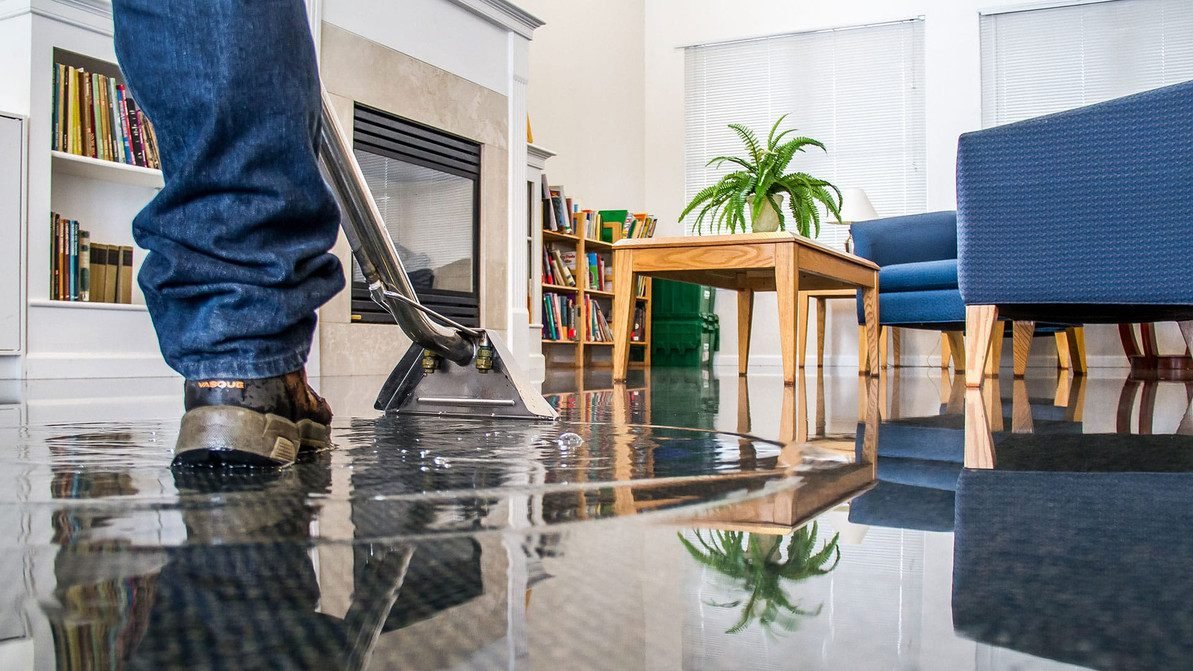
5. Wall Cavity Injection Drying Systems (Drying Behind Baseboards)
To dry wooden framing studs inside walls without demolishing undamaged upper drywall, technicians use commercial Wall Cavity Drying Injectors. Small 5/8-inch holes are drilled behind the baseboard line. High-pressure manifolds force super-dry air into the stud bays, venting moisture vapor out through top relief holes. Once dry, baseboards are re-installed over the holes with zero cosmetic patching required!
6. Turnkey Sheetrock Patching, Taping, Texturing & Paint Matching
Following structural drying sign-off, our reconstruction team restores walls to pre-loss perfection: installing mold-resistant greenboard, embedding fiberglass mesh joint tape, applying featherweight joint compound, and matching existing Florida wall textures (knockdown, orange peel, or smooth finish).
Frequently Asked Questions (Field Insights)
Because drywall paper wicks water upward like a sponge inside the wall cavity. Cutting 24 inches above the floor ensures all damp paper and saturated insulation are removed, and matches standard 4x8-foot sheetrock dimensions for economical reconstruction.
Ceiling drywall that has sagged or held standing water must be replaced because saturated gypsum loses its tensile strength and can suddenly collapse under the weight of wet attic insulation.
Technicians remove baseboards, drill small 5/8-inch access holes near the floor sill plate, and connect commercial cavity injection drying systems that pump high-velocity dry air directly between wall studs.
No. Interior latex paint acts as a vapor barrier, trapping moisture inside the wall cavity. In Central Florida humid air, unopened damp wall cavities will cultivate toxic mold colonies in 24 to 48 hours.

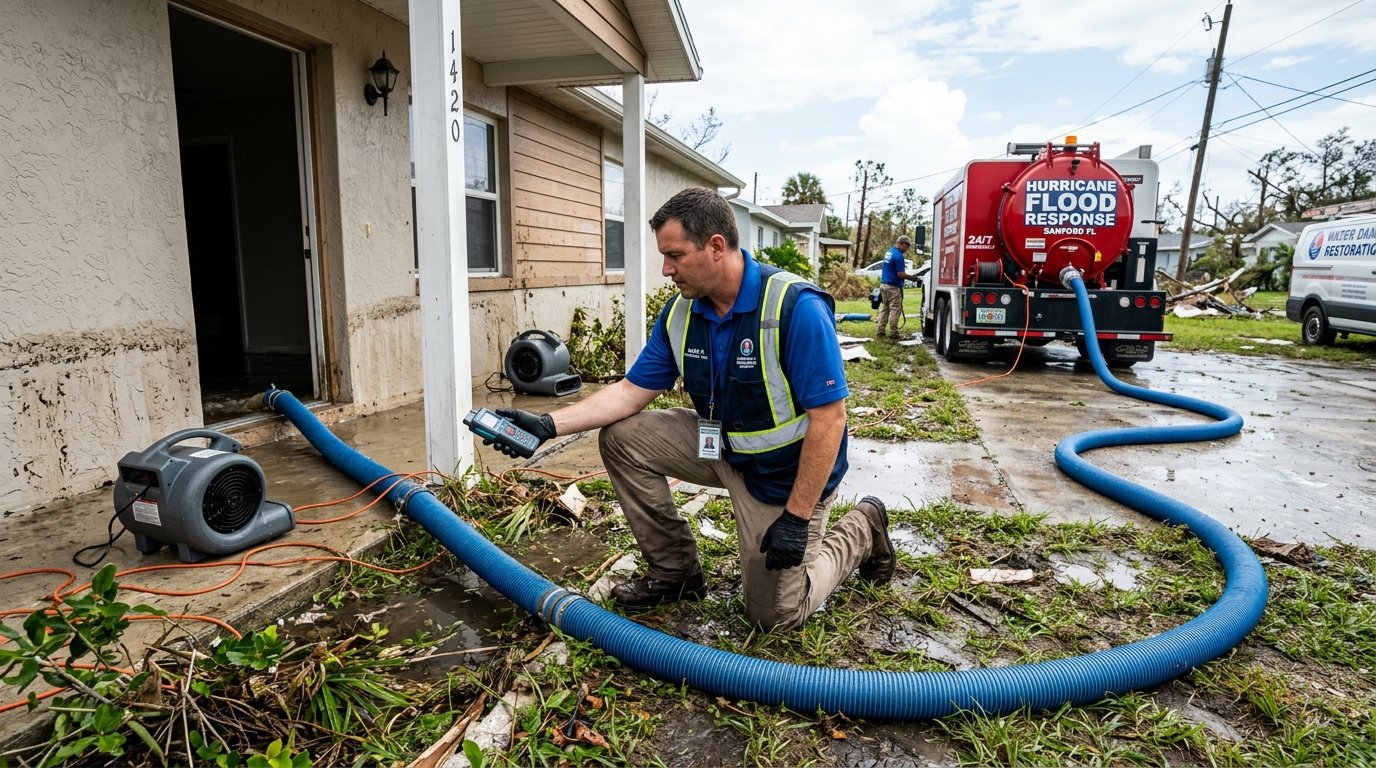
Dealing with Water Damage in Sanford Right Now?
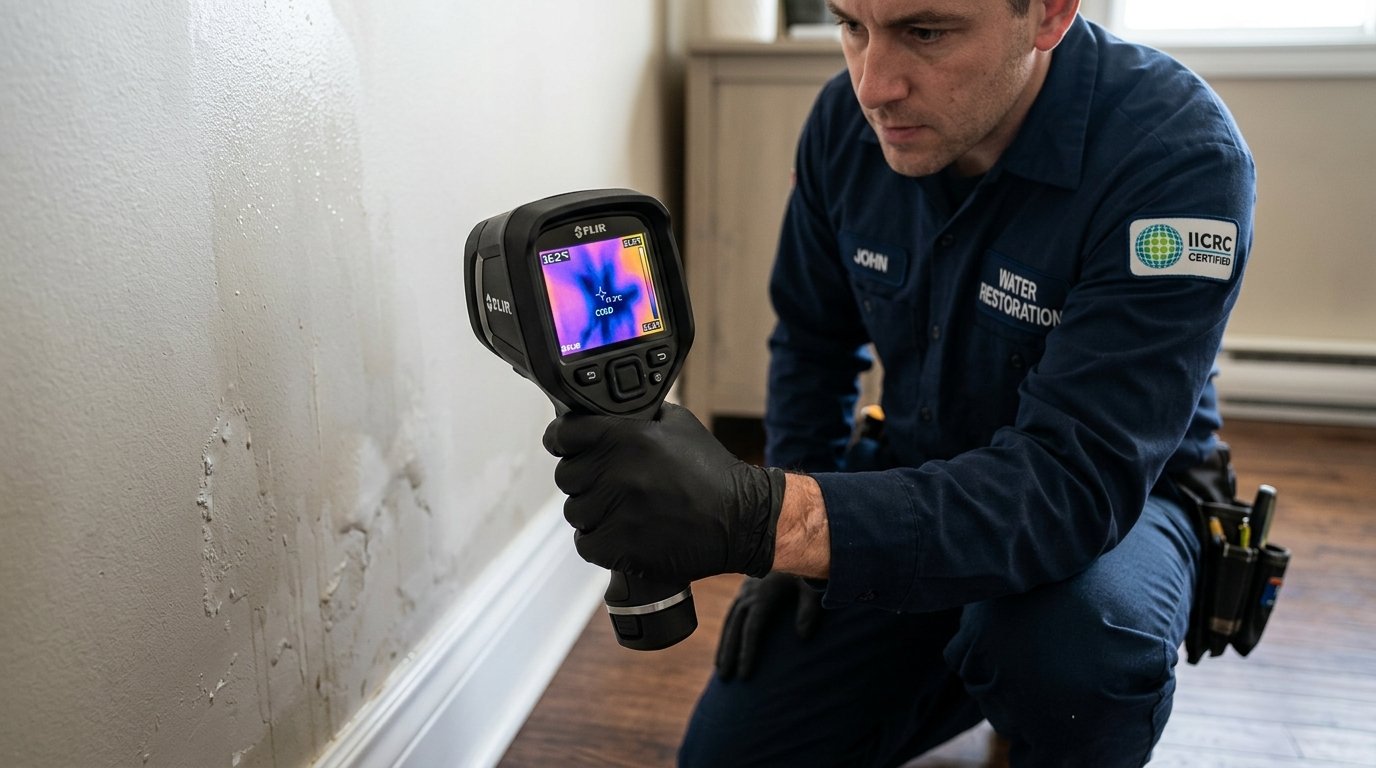
Don't wait for moisture to turn into structural mold. Our certified response team arrives on-site in 30 minutes across Seminole County with truck-mounted extractors, thermal cameras, and industrial drying equipment.
Call 24/7 Emergency Dispatch: (407) 871-3490