
Florida Water Damage Insurance Claims: What Your Adjuster Won’t Tell You
Filing a property insurance claim in Florida following sudden water damage can be intimidating. Florida’s evolving property insurance marketplace, strict statutory claim timelines, and detailed adjuster documentation standards mean property owners must be proactive, prepared, and well-informed from day one. Here is the straightforward insider guide on how to get your water mitigation claim properly approved and paid.
📋 Table of Contents & Technical Navigation
- Sudden & Accidental vs. Gradual Damage Exclusions (The 14-Day Rule)
- HO-3 Homeowners Policies vs. NFIP Flood Insurance
- How Xactimate Restoration Estimating & Unit Pricing Works
- Your 72-Hour Claim Action Sequence
- The Policyholder's Statutory "Duty to Mitigate"
- Handling Scope Disputes, Delays, and Denials
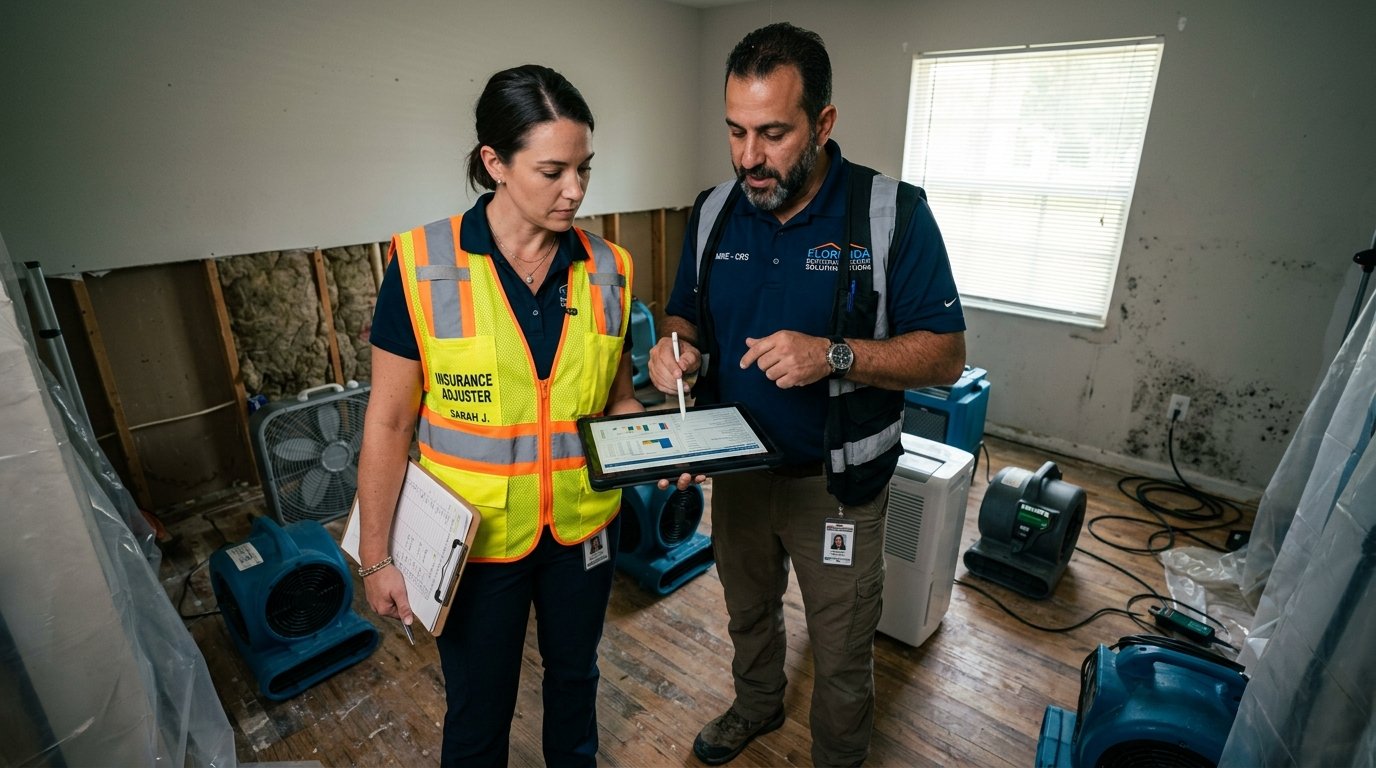
1. Sudden & Accidental vs. Gradual Damage Exclusions (The 14-Day Rule)
The single most critical coverage distinction in Florida homeowners insurance (HO-3 and HO-6 policies) is whether the water event is deemed Sudden & Accidental or Gradual & Neglected:
- Covered (Sudden & Accidental): A copper pressurized supply line ruptures under a sink, a hot water heater tank fractures, or an ice-maker line snaps, discharging gallons of water rapidly.
- Excluded (Gradual Damage / Seepage): A slow pipe leak under a shower pan or behind a toilet that has dripped for weeks causing wood rot is routinely denied under standard "continuous seepage or leakage" exclusions (often citing the 14-day rule).
💡 Adjuster Tip: Precision Language When Reporting
When calling your insurance claim intake line, state only the known facts of the sudden occurrence (e.g., "A pressurized plumbing line burst this morning"). Never speculate that a leak "might have been dripping for a long time" if you do not know.
2. HO-3 Homeowners Policies vs. NFIP Flood Insurance
Many Florida homeowners incorrectly assume standard insurance covers all water intrusion. In reality:
| Feature | Standard HO-3 Homeowners Policy | NFIP / Private Flood Policy |
|---|---|---|
| Water Source | Internal plumbing bursts, appliance leaks, rain entering through a storm-damaged roof. | Rising overland water, lake surges, street runoff entering from outside. |
| Personal Contents | Covered under Personal Property (Coverage C). | Requires separate Contents Coverage rider. |
| Additional Living Expenses (ALE) | Covered if home is uninhabitable during drying. | NOT Covered under standard NFIP policies. |
| Deductible Structure | Standard dollar deductible ($1,000 to $2,500) or separate Hurricane percentage. | Separate Building and Contents deductibles. |
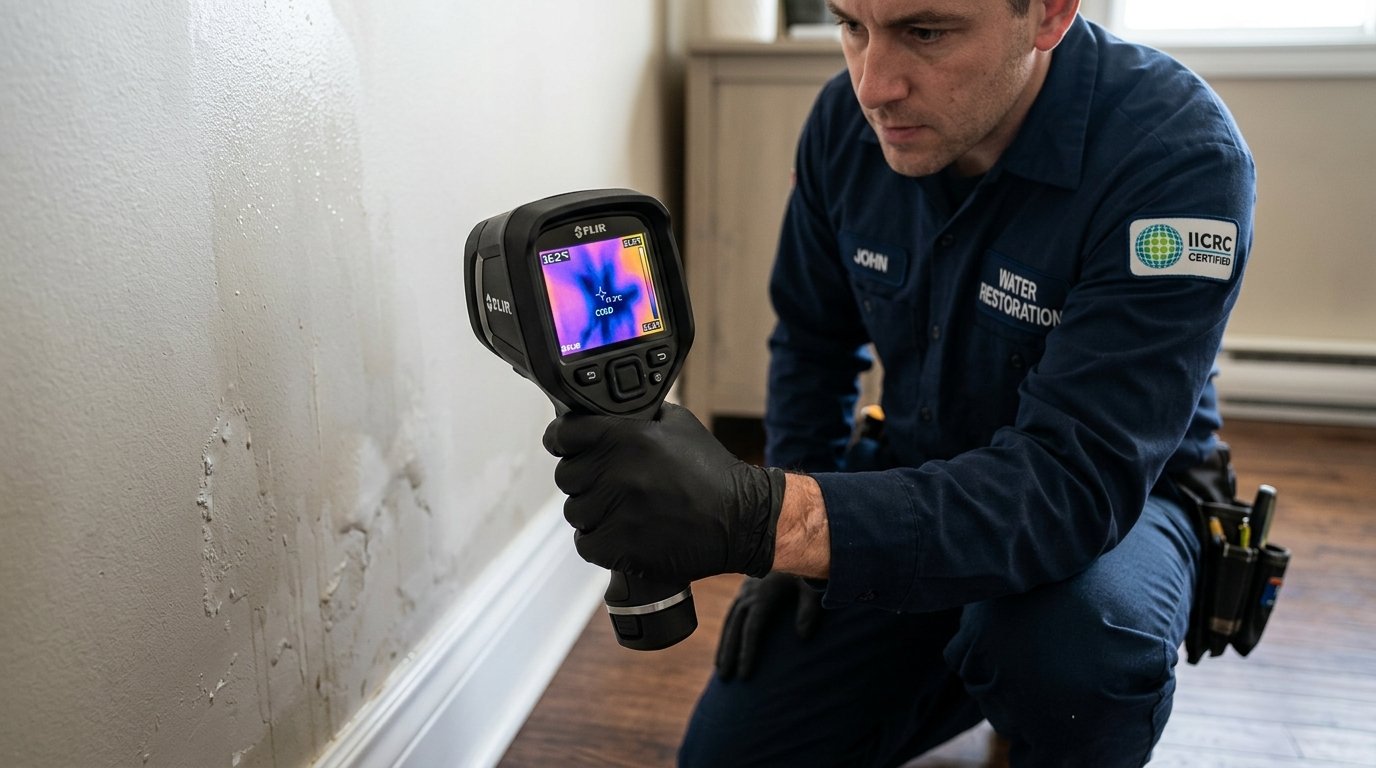
3. How Xactimate Restoration Estimating & Unit Pricing Works
Insurance field adjusters and certified restoration contractors in Florida use Xactimate, the universal insurance estimating platform. Xactimate calculates line-item costs based on monthly regional pricing data for Seminole County labor rates, equipment rental costs (per 24-hour cycle for LGR dehumidifiers and air movers), and building material prices. This eliminates pricing disputes between your contractor and carrier.
4. Your 72-Hour Claim Action Sequence
Shut Off Water & Call Certified Mitigation
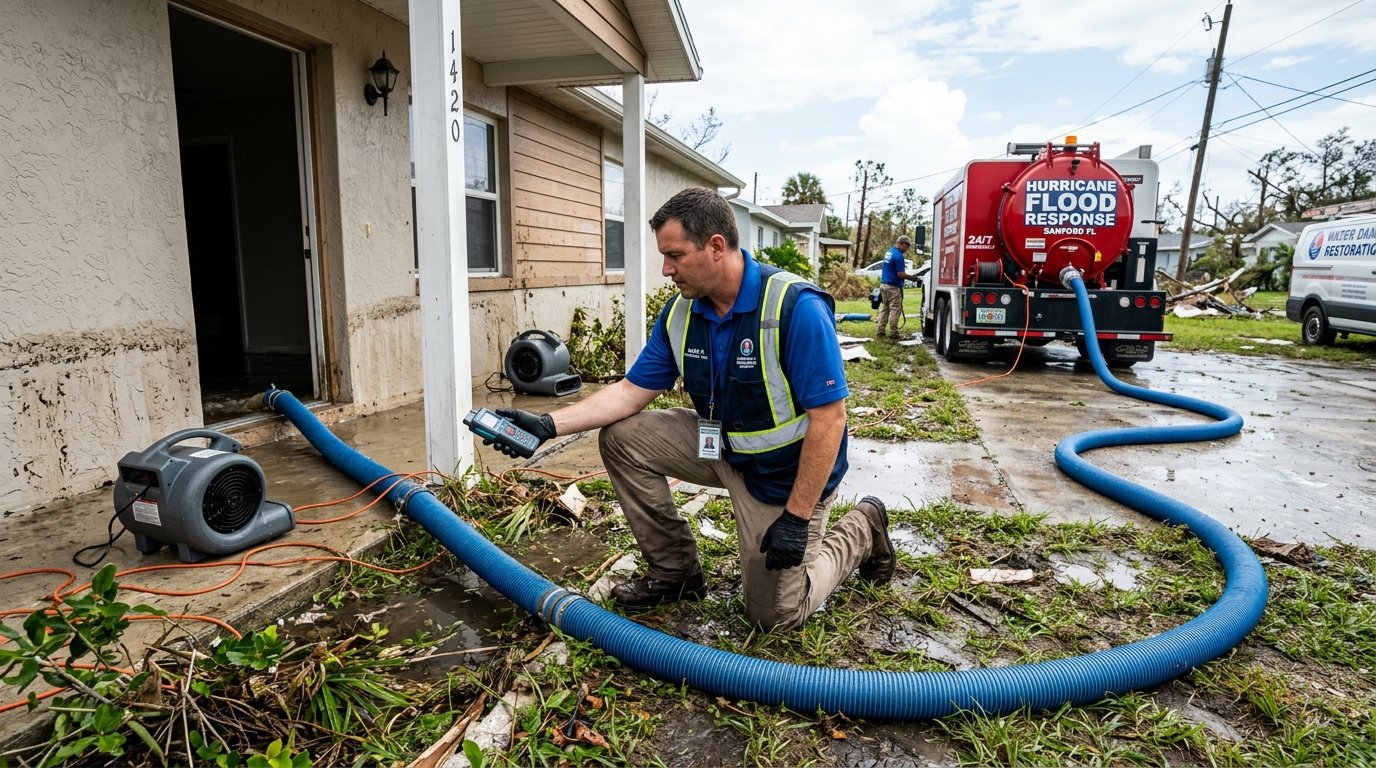
Your policy requires you to take immediate steps to stop water flow. Contact our 24/7 Emergency Dispatch Team to dispatch extractors immediately.
Report Claim & Secure Claim Number
Notify your insurance carrier to open the claim and receive your adjuster assignment and official claim number.
Preserve Damaged Physical Evidence
Do not throw away the burst pipe fitting, broken appliance hose, or expensive damaged rugs until the field adjuster has inspected and photographed them.
5. The Policyholder's Statutory "Duty to Mitigate"
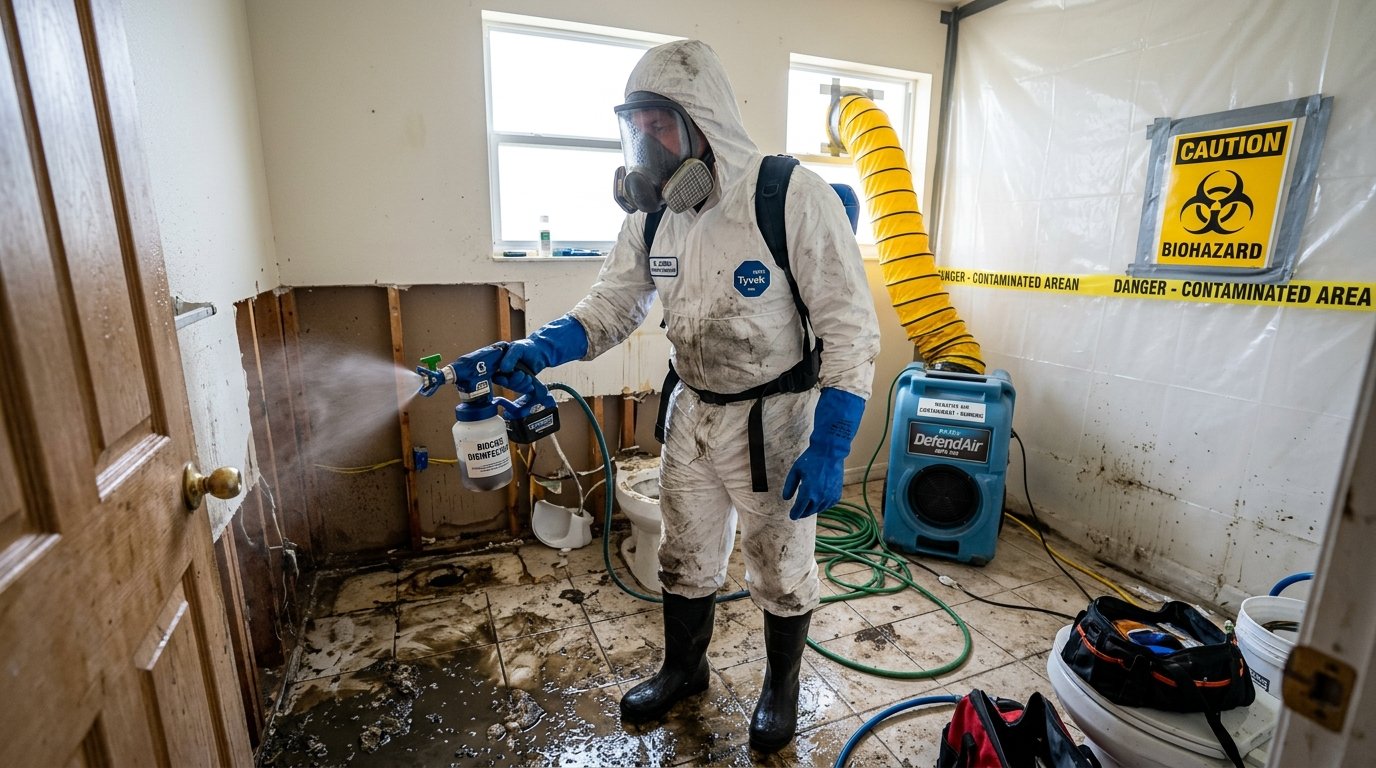
Every Florida property insurance policy contains a "Duties After Loss" clause requiring property owners to protect property from further damage. You do NOT need to wait for an adjuster to visit before hiring a mitigation contractor to extract standing water and place dehumidifiers. In fact, waiting days for an adjuster can cause claims to be denied if neglected water leads to mold growth!
6. Handling Scope Disputes, Delays, and Denials
If your insurance adjuster is delayed following a major hurricane or convective storm event, our team maintains full date-stamped moisture logs, daily atmospheric psychrometric readings, and 3D room scans to prove every piece of equipment was necessary under IICRC S500 standards.
Frequently Asked Questions (Field Insights)
Insurance premiums in Florida are influenced by regional risk factors and claim frequency. However, failing to mitigate water damage immediately can lead to policy non-renewal or claim denial if neglected water causes mold.
No. Under your policy "Duty to Mitigate" clause, you are legally required to start emergency water extraction and drying immediately to prevent secondary structural damage and toxic mold.
Your deductible is your out-of-pocket obligation before insurance coverage kicks in (typically $1,000 to $2,500 for water damage). Your restoration contractor bills your carrier directly for all mitigation and repair costs exceeding your deductible.
Xactimate is the standard estimating platform used by insurance carriers and certified contractors to calculate unit costs based on monthly updated regional labor and material rates in Seminole County, FL.

Dealing with Water Damage in Sanford Right Now?
Don't wait for moisture to turn into structural mold. Our certified response team arrives on-site in 30 minutes across Seminole County with truck-mounted extractors, thermal cameras, and industrial drying equipment.
Call 24/7 Emergency Dispatch: (407) 871-3490