
Polybutylene Pipe Failures in Florida: Identification, Risks & Emergency Mitigation
Installed in millions of homes built between 1978 and 1995, polybutylene (Quest) piping represents one of the most hazardous plumbing liabilities in Florida real estate. Learn why these gray pipes fail catastrophically, how Florida insurance underwriting treats them, and what to do when a burst occurs.
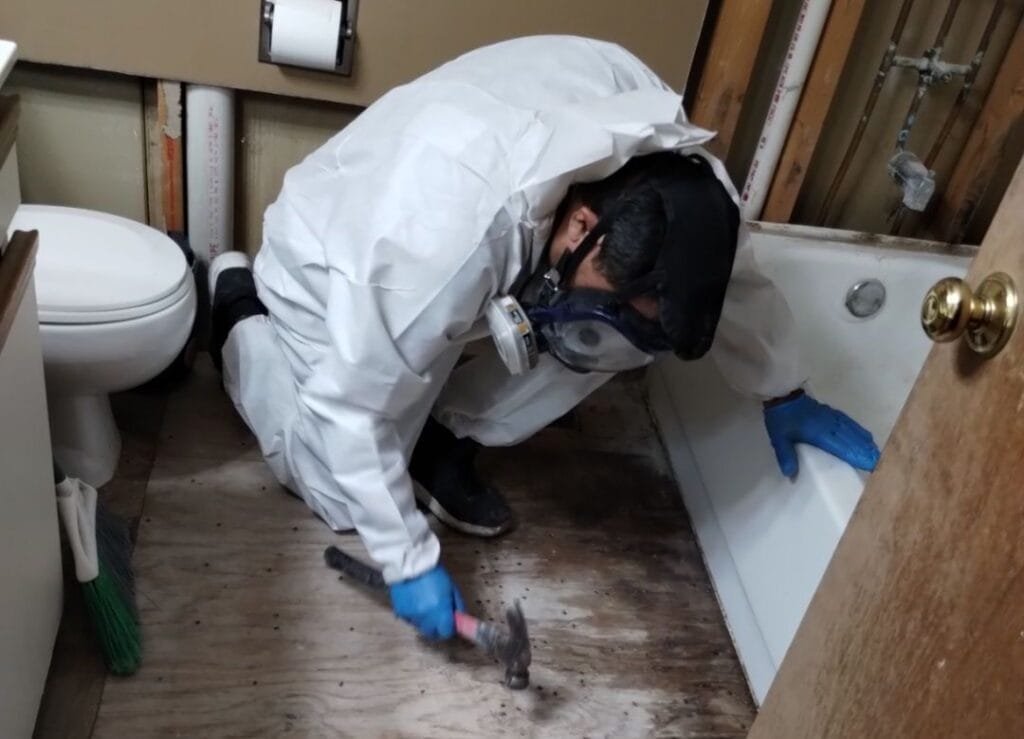
The Rise and Fall of Polybutylene ("Quest") Plumbing
In the late 1970s, building material manufacturers introduced polybutylene as the "pipe of the future." It was cheap, flexible, rust-resistant, and significantly faster to install than rigid copper. Across Florida's booming housing markets—throughout Orange, Seminole, Volusia, Osceola, and Lake counties—hundreds of thousands of subdivisions and mobile home parks were plumbed entirely with gray polybutylene.
By the mid-1980s, however, disaster struck. Property owners across the nation began experiencing sudden, catastrophic pipe blowouts. A massive class-action lawsuit (Cox v. Shell Oil Co.) resulted in a $1 billion settlement fund, but the plumbing was permanently banned from the International Plumbing Code in 1995.
The Chemical Breakdown: Why Polybutylene Fails in Florida
The core vulnerability of polybutylene is chemical incompatibility with municipal water treatment:
- Chlorine & Chloramine Attack: Public water utilities in Florida heavily chlorinate drinking water to sanitize warm subtropical water supplies. Chlorine reacts chemically with polybutylene polyolefin polymers, causing micro-fracturing along the pipe's internal wall.
- Embrittlement of Acetal Plastic Fittings: Early polybutylene systems utilized plastic acetal insert couplings with metal crimp rings. The fittings become intensely brittle over time, suddenly snapping in half under normal water pressure (50-70 PSI).
- Zero Warning Signs: Unlike copper pipes that develop small pinhole leaks or visible green corrosion, polybutylene exhibits no exterior deterioration. The pipe looks completely healthy on the outside until it suddenly bursts wide open, flooding thousands of gallons of water into living spaces in minutes.
Emergency Protocol When a Polybutylene Line Bursts
When a polybutylene pipe ruptures, follow these immediate actions:
- Cut the Main Water Valve: Know the location of your home's main water isolation valve. Turn it completely off immediately.
- Turn Off Electricity: If water has penetrated ceilings, walls, or flooded flooring near electrical outlets, shut off power at the main breaker box if dry and safe to do so.
- Call 24/7 Emergency Restoration: Dial our dispatch line at (407) 871-3490. Our mobile crews arrive in 30 minutes with industrial extractors and commercial drying equipment.
- Photograph Everything: Take detailed photos and videos of the burst pipe, standing water, and ruined personal property before moving items.
Frequently Asked Questions About Polybutylene Plumbing
Polybutylene piping is typically flexible gray plastic (marked "PB2110"). Check your water heater inlet connections, under-sink shutoff valves, main shutoff valve entering the home, and attic piping. The pipes are often joined by plastic or copper crimp rings with acetal or metal fittings.
Disinfectants in Florida municipal drinking water (chlorine and chloramines) chemically degrade polybutylene plastic and its acetal fittings from the inside out. Microscopic fractures develop internally while the exterior pipe looks brand new, leading to sudden, catastrophic pipe wall ruptures without any prior weeping or dripping.
Most major Florida property insurance carriers either outright decline to write new policies on homes with polybutylene plumbing or mandate strict policy endorsements capping all water damage coverage at $10,000. Many insurers require proof of a whole-home PEX repipe before binding coverage.
Immediately shut off the main water valve to your home to stop water flow. De-energize electrical breakers to saturated areas if safe, and contact our 24/7 emergency water extraction line at (407) 871-3490. Rapid structural extraction within 2 to 4 hours is essential to save subfloors and prevent mold.
A complete whole-home repipe using modern PEX-A (Uponor) typically ranges from $3,500 to $7,500 for a single-family residential home in Central Florida, depending on square footage, number of bathrooms, and accessibility of attic cavities.
Experienced a Sudden Plumbing Pipe Burst?
Our emergency units are ready 24/7 with commercial extractors, LGR dehumidifiers, and thermal imaging cameras to secure your property immediately.
Call for Emergency Dispatch: (407) 871-3490