
The Florida Homeowner's Comprehensive Guide to Cast Iron Pipe Failure & Water Damage
Over 2.5 million homes in Florida constructed before 1975 rely on decaying cast iron sewer and drainage lines beneath monolithic concrete slabs. Learn how cast iron deterioration causes devastating Category 3 water damage, how to detect subterranean failures, and how to navigate insurance mitigation.
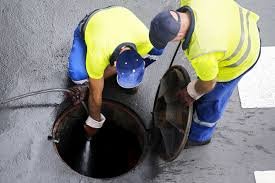
The Hidden Crisis: Why Cast Iron Pipes Fail in Florida
In residential subdivisions built throughout Central Florida between the 1950s and mid-1970s—including historic neighborhoods in Sanford, Orlando, DeLand, Winter Park, and Daytona Beach—cast iron was the mandatory building standard for sanitary drainage. At the time of installation, builders expected cast iron pipes to endure 50 to 100 years. However, Florida's distinctive environmental and chemical landscape has cut that lifespan down to barely 30 to 45 years.
The accelerated deterioration of Florida cast iron plumbing is driven by three compounding biochemical forces:
- Hydrogen Sulfide Gas Corrosion (The "Tombstone Effect"): As domestic wastewater moves through drain lines, bacterial decomposition creates hydrogen sulfide (H₂S) sewer gas. When this gas condenses along the upper interior crown of the pipe, sulfuric acid forms, eating through the metal from the inside out and turning heavy iron into brittle rust flake.
- Bottom Channeling and Troughing: Daily wastewater loaded with detergents, abrasive sands, and drain-cleaning chemicals erodes a continuous trough along the pipe bottom. Eventually, the entire bottom of the pipe disappears, dumping raw sewage directly into the sandy soil beneath the concrete foundation slab.
- External Soil Reactivity & High Groundwater: Florida's high water tables and slightly acidic, sandy soils subject the exterior of cast iron pipes to continuous electrolytic oxidation. As groundwater fluctuates during rainy hurricane seasons, the pipe is alternately submerged and exposed to air, multiplying rust rates.
Warning Signs of Cast Iron Pipe Failure Beneath Your Slab
Cast iron failures rarely announce themselves with a sudden dramatic explosion; they slowly erode beneath your foundation until subterranean voids cause sewage backups and floor destabilization:
| Symptom | Physical Cause | Severity Level | Immediate Action Required |
|---|---|---|---|
| Recurrent Drain Clogs | Internal iron scale, jagged tuberculation catches toilet paper. | Moderate | Schedule high-definition sewer camera inspection. Avoid harsh chemical drain cleaners. |
| Sewer Gas Odor in Bathrooms | Pipe crown collapse allows gases to leak through subfloor cracks. | Severe | Inspect plumbing vents; check baseboards for hidden moisture wicking. |
| Cracked or Hollow Floor Tiles | Escaped sewage washes out supporting sub-slab sand, creating voids. | Critical | Thermal moisture mapping to evaluate sub-slab saturation and structural support. |
| Water Stains on Baseboards | Sub-slab sewage backs up under pressure, wicking into drywall. | Emergency | Call certified water extraction team for Category 3 blackwater containment. |
Diagnostic Protocol: High-Definition Sewer Camera Scans
You cannot diagnose cast iron pipe integrity from above the floor. Determining the condition of buried sewer lines requires an optical inspection:
- Sewer Camera Video Logging: A specialized fiber-optic camera with a self-leveling head is fed through a plumbing cleanout or roof vent stack. The camera logs footage of internal scale, cracks, collapsed crowns, root intrusions, and bottom channel troughs.
- Sonde Electromagnetic Pipe Locating: The camera head emits an electromagnetic frequency (sonde) that technicians track from above the slab using a digital receiver, marking the exact subterranean path, depth, and collapse zones of the pipe onto the floor.
- Static Water Pressure Isolation Testing: Technicians insert inflatable rubber test balls into the drain line and fill the pipe with water to measure pressure drop over 15 minutes, conclusively proving whether subterranean pipe breaches exist.
Repair Solutions: Trenchless CIPP Epoxy Lining vs. Slab Trenching vs. Exterior Tunneling
When cast iron fails, homeowners have three distinct engineering options to restore their drainage infrastructure:
Option 1: Trenchless CIPP (Cured-in-Place Pipe) Epoxy Lining
If the cast iron pipe has cracks or channeling but has not completely collapsed, trenchless lining is the least invasive option. Technicians hydro-jet internal rust scale smooth, pull a resin-saturated felt liner through the pipe, inflate it, and cure it into a rigid, seamless PVC-equivalent pipe with a 50-year design life. This requires zero concrete trenching or floor destruction.
Option 2: Interior Slab Trenching & Repiping
If the pipe has completely collapsed or lost its host structure, contractors must saw-cut channels through your interior floor tile and concrete slab. Old iron pipes are removed and replaced with modern schedule 40 PVC. While effective, interior trenching requires moving out of the home, extensive dust containment, and rebuilding all flooring.
Option 3: Exterior Sub-Slab Tunneling
To preserve expensive interior hardwood floors, marble, or custom tile, specialized contractors excavate access pits outside the foundation perimeter and tunnel 3 to 4 feet underneath the concrete slab. Technicians replace the hanging cast iron lines from beneath the home, backfill with compacted soil, and leave interior finished surfaces undisturbed.
Category 3 Blackwater Remediation: Why Professional Mitigation Is Mandatory
When broken cast iron lines back up into your home, the water is legally classified as Category 3 Blackwater under the IICRC S500 standard. It carries high concentrations of pathogenic bacteria, parasites, E. coli, Salmonella, and volatile organic chemicals. Homeowners should never attempt DIY mop-and-bucket cleanup.
Our professional remediation protocol involves:
- HEPA Negative Air Pressure Containment: Polyethylene barriers seal off affected bathrooms and living areas. HEPA air scrubbers vent contaminated air outdoors, preventing airborne spore and bacteria distribution.
- Safe Removal of Porous Contaminated Materials: Carpets, padding, MDF baseboards, and drywall that absorb blackwater cannot be disinfected and are removed and bagged for hazardous disposal.
- Hospital-Grade EPA Antimicrobial Sanitization: Concrete subfloors and structural studs are thoroughly washed with broad-spectrum biocides to eliminate viral and bacterial colonies.
- Structural LGR Dehumidification: Industrial dehumidifiers pull moisture out of the foundation slab until scientific dry standards are achieved.
Florida Insurance Claims for Cast Iron Pipe Water Damage
Navigating property insurance claims involving cast iron plumbing in Florida requires precise understanding of policy terminology:
- Tear-Out & Access Coverage: Under standard Florida ISO policy language, while replacing the deteriorated pipe itself may not be covered, the insurance policy covers the expensive "access cost"—the labor required to tear through the concrete foundation slab to reach the pipe, and the subsequent restoration of the slab and floor finishes.
- Water Damage Sub-Limits: Be aware that many Florida insurers (such as Citizens Property Insurance) have instituted $10,000 sub-limits for water mitigation and repairs unless the policyholder uses their Managed Repair Program (MRP) or carries an endorsement.
- Objective Xactimate Documentation: We provide detailed psychrometric drying records, high-resolution thermal imaging scans, and camera footage logs to support your insurance claim with empirical proof.
Frequently Asked Questions About Cast Iron Pipe Water Damage
Florida homes built prior to 1975 utilized cast iron drain and waste lines beneath concrete slabs. The combination of acidic hydrogen sulfide sewer gases, high groundwater tables, sandy soils, and continuous warm temperatures causes severe internal channeling, scale buildup, and bottom blowout along the pipe base after 25 to 40 years of service.
Common warning signs include recurrent slow drainage in multiple fixtures, sewage backups in showers when toilets flush, persistent sewer gas odors inside the home, hairline floor tile cracks along drainage runs, water stains on baseboards, and unexplained insect infestations (drain flies).
While insurance policies typically exclude the cost of replacing the worn-out pipe itself (viewed as wear and tear), standard Florida policies traditionally cover the resulting water damage (water extraction, drying, damaged flooring, cabinetry, and the tear-out of the concrete slab required to access the broken pipe), subject to policy water damage sub-limits.
Cured-in-Place Pipe (CIPP) lining involves pulling an epoxy-saturated felt tube through the existing pipe and curing it into a rigid, seamless inner pipe. It works well if the pipe retains its cylindrical host structure. However, if the cast iron has completely collapsed or bottom-blown out into sandy soil, traditional trench excavation or tunneling is required.
Cast iron pipe failures release Category 3 blackwater containing biohazardous sewage, harmful bacteria, and pathogens. Standard drying is insufficient; mitigation requires biohazard PPE, physical containment barriers, disposal of saturated porous flooring, and hospital-grade EPA antimicrobial wash downs.
Experiencing Sewage Backups or Suspect Failing Cast Iron Pipes?
Our certified technicians arrive in 30 minutes with thermal imaging cameras, moisture meters, and biohazard extraction equipment to secure your home.
Call for Emergency Dispatch: (407) 871-3490